
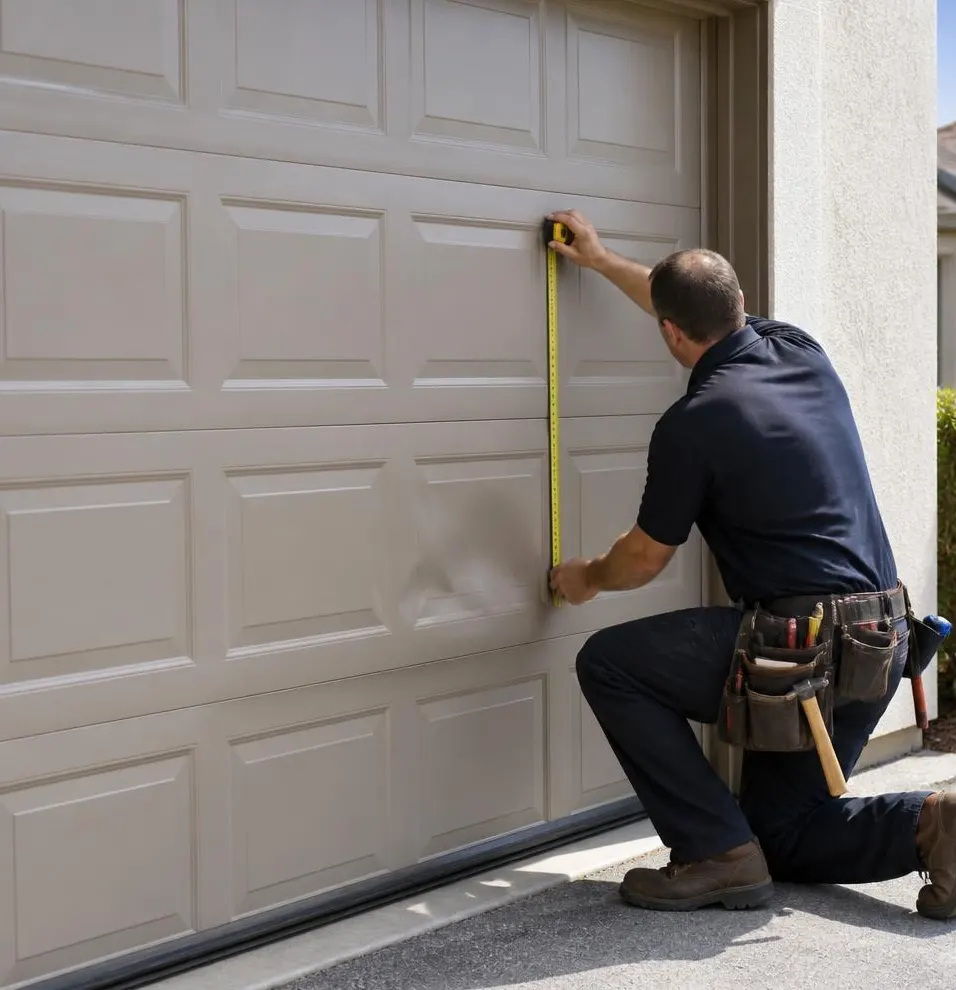
What Skipping This Costs You
Put this off and you're not just risking a squeaky door. A torsion spring that's been quietly losing tension all year can snap the first cold morning you ask it to lift a door that's heavier than usual because of trapped moisture in the panels. A worn seal you've ignored since August lets in enough cold air to spike your heating bill if the garage shares a wall with living space. And an opener that's been struggling with a dirty track all summer can fail completely the one week it's actually cold enough to matter here — usually right when a front blows through and you need the door to seal tight against wind-driven rain. None of this is dramatic until the day it is, and by then you're paying for an emergency call instead of a twenty-minute tune-up.
Why Central Texas Winters Are Harder on Garage Doors Than They Look
This isn't a region with months of snow load to worry about. The real stress comes from the swings: a 75-degree afternoon followed by a hard freeze overnight, sometimes within the same 24 hours. Metal hardware expands and contracts with every swing, which loosens bolts, hinges, and track brackets faster than steady cold ever would. Add the occasional ice storm — rare, but real — and you get a door that's suddenly operating with ice-stiffened weatherstripping, a slicked-over track, and lubricant that's thickened up right when you need smooth movement most.
Check the Weatherstripping
Walk around the door and look at the bottom seal and side seals for cracking, flattening, or gaps you can see daylight through. Rubber that's spent a summer baking in direct sun often gets brittle by fall, and a brittle seal won't flex enough to block cold air or wind-driven rain during a front. Replacement seal kits run roughly $20–$40 and are a straightforward DIY swap if the track they sit in isn't damaged.
Inspect the Springs and Hardware
Cold makes springs stiffer and less forgiving, which is exactly when a spring that's near the end of its lifespan is most likely to fail. Look for visible gaps in the coils, rust, or a door that feels noticeably harder to lift by hand with the opener disconnected. While you're at it, go around with a wrench and snug up any bolts on the track brackets and hinges — the summer-to-winter temperature swings loosen these more than people expect.
Service the Opener and Safety Sensors
Cold weather is unforgiving to an opener that's already struggling. Listen for grinding or hesitation, and make sure the safety sensors near the floor are clean and properly aligned — dust kicked up by wind is common here and tends to settle right on the sensor lenses. If the door reverses unexpectedly or the opener strains more than it did in summer, that's your sign it needs attention before, not during, a cold snap.
Lubricate Before It Gets Cold, Not After
Use a silicone-based garage door lubricant on rollers, hinges, and the track — not household oil, which gums up and attracts more dust. Doing this in October or November, while temperatures are still mild, lets the lubricant settle in properly instead of thickening up the first time it's actually cold.
Look at Insulation if the Garage Touches Living Space
If your garage shares a wall with the house, an uninsulated steel door can make that whole side of the home harder to heat during a cold front. Insulated door panels or a retrofit insulation kit (roughly $50–$150 for a basic kit) can noticeably cut down on the draft, especially paired with fresh weatherstripping.
Clear Debris from Tracks and Drainage
Dust and pollen build up all summer, and when an ice event or hard rain hits, that grit mixes with moisture and turns gritty, which accelerates wear on rollers and tracks. A quick vacuum and wipe-down of the tracks before winter weather arrives is cheap insurance.
When to Call Austin Garage Door
If a spring looks worn, the door feels unusually heavy, or the opener is straining and you don't want to gamble on it failing during a cold front, that's the point to call in a technician rather than keep testing it yourself. Our team handles spring replacement safely — this is genuinely not a DIY repair given the tension involved — and we also do full garage door maintenance visits that cover lubrication, hardware tightening, sensor alignment, and seal replacement in one trip, so you're not chasing five small problems separately.
If you're anywhere from Round Rock to Bee Cave and want your garage door squared away before the next cold front rolls through, call Austin Garage Door today and get it handled before winter decides the timing for you.